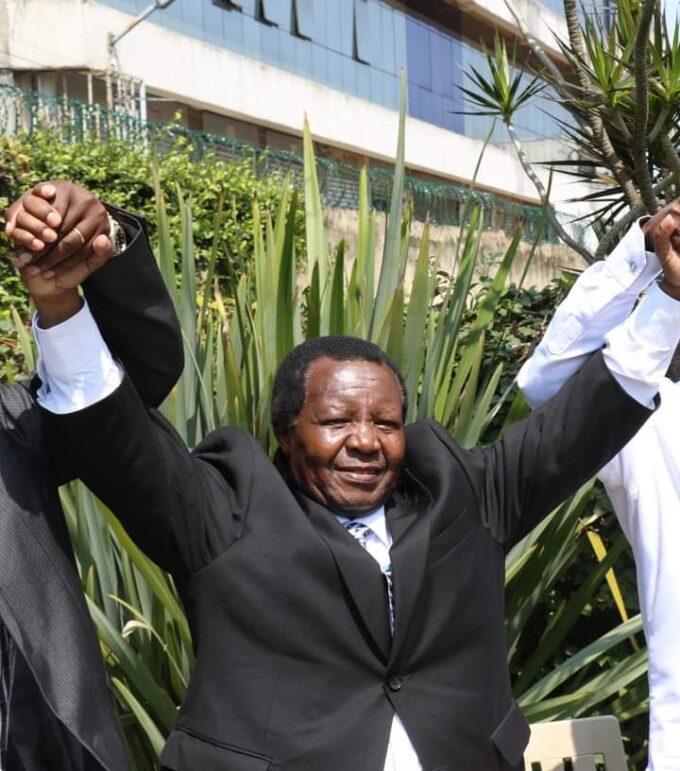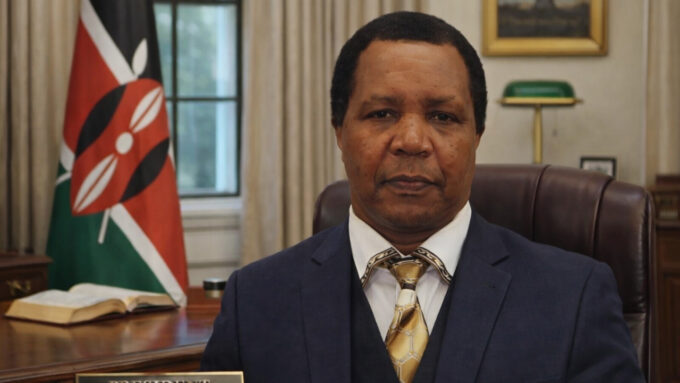








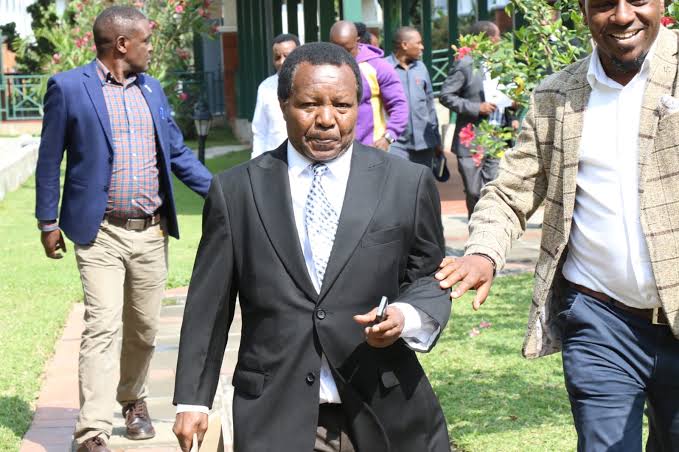
2027 Presidential hopeful Dr. Isaac Newton Kinity has called on Kenyan parents to rethink how they use their votes, arguing that repeatedly returning the same political figures to positions of leadership has contributed to the problems facing the country’s younger generation.
Kinity says the political choices made by older generations have consequences that are now being experienced directly by Gen Z, including unemployment, economic hardship and limited opportunities. He argues that Kenyans should stop treating political experience as sufficient qualification for continued leadership when that experience is associated with administrations and political systems that have failed to address corruption and the misuse of public resources.
In his address to the media on Tuesday, Kinity appealed to parents, Kinity urged them not to pass the same voting patterns from one generation to another. He said young Kenyans should be encouraged to examine the records, integrity and public conduct of those seeking elective office rather than simply inheriting the political choices of their parents.
“The problems of the Gen Z emanate from the recycling of corrupt politicians into positions of leadership by the parents of the Gen Z,” Kinity said, arguing that a different generation of leaders could pursue a different direction for the country.
His comments come as questions over the size and cost of government delegations continue to generate public debate. President William Ruto led Kenya’s delegation to the 81st United Nations General Assembly in New York in September 2026, with the Ministry of Foreign Affairs saying the visit was intended to advance Kenya’s interests through high-level diplomatic engagements. Recent reporting has nevertheless highlighted scrutiny over the size of the delegation, including the presence of seven Cabinet Secretaries.
Kinity contrasts such international engagements with the economic difficulties confronting ordinary Kenyans. He has cited claims circulating publicly that the 2026 delegation included 84 legislators and cost nearly KSh600 million, while also referring to claims that former President Uhuru Kenyatta travelled to the 2018 UN General Assembly with a delegation of 98 people at a cost approaching KSh1 billion. Those specific figures were not independently established in the sources reviewed for this report and are therefore presented as claims rather than verified expenditure figures.
Kinity, however, believes, the wider question goes beyond the cost of a particular foreign trip. He argues that Kenya’s persistent problems with corruption and misuse of public resources cannot be separated from the choices voters make at election time.
He particularly placed responsibility on parents who, he says, have historically controlled a significant portion of the vote and have repeatedly returned familiar political figures to office.
Kinity appealed directly to them to consider what those choices mean for their children.
He wants young Kenyans, particularly Gen Z voters, to register in large numbers and participate actively in elections. At the same time, he urged parents to allow their children to make their own political choices rather than encouraging them to reproduce voting patterns inherited from previous generations.
The former Secretary General of the Kenya Civil Servants Union said Kenya needs leaders whose records demonstrate integrity, transparency, patriotism and commitment to improving the lives of citizens.
Kinity said ending corruption requires more than condemning the theft of public resources after it has occurred. In his view, voters also have a role in determining whether political figures associated with allegations of corruption continue to receive public mandates.
“The experiences of looting public funds and other forms of corruption” should not, he argued, be mistaken for the leadership experience Kenya needs.
Kinity’s appeal comes against the backdrop of a national budget of KSh4.82 trillion for the 2026/27 financial year, with Parliament allocated KSh50.8 billion. Kinity’s argument is that the scale of public expenditure makes accountability and the quality of political leadership particularly important.
He says the country will struggle to achieve meaningful change if voters continue to reproduce the same political leadership patterns without examining the records of individual candidates.
The issue, according to the presidential hopeful, is ultimately about the future that today’s voters leave for the next generation. He is asking parents to consider whether the political choices they make today are helping create the Kenya their children will inherit.