








Kenya’s seasoned human rights defender and a leading Gen Z choice for the 2027 presidential race, Dr. Isaac Newton Kinity, has sent a hard-hitting end-of-year message to Kenyans, declaring that corruption at the highest levels of power remains the single greatest obstacle to the country’s survival, dignity, and future.
In a press release dated Tuesday, 23rd December 2025, the former trade unionist wished Kenyans a Merry Christmas and a Happy New Year, but quickly moved away from festive rhetoric to deliver what he described as an uncomfortable national truth. According to Dr. Kinity, Kenya’s economic pain, insecurity, institutional collapse, and social suffering will persist unless corruption is confronted decisively and without fear.
Dr. Kinity’s Christmas message was not an isolated statement. It marked the culmination of a year-long campaign in which he consistently challenged Kenyans to reject political deception and confront the root cause of their suffering. Throughout 2025, his public engagements, interviews, and statements remained uncompromising in tone, warning against cosmetic reforms, political tokenism, and selective justice.
He warned Kenyans, including the Gen Z population increasingly targeted by political aspirants, that no positive change can occur without first dismantling corruption protected by power and force. He argued that arresting clerks, junior officers, or low-ranking officials creates a false image of accountability while shielding those who control state machinery and public resources.
“No one should lie to Kenyans that the country can change without arresting those who matter, those in power, and those who enjoy total impunity,” Dr. Kinity stated, insisting that corruption will only end when a small group of powerful individuals is arrested, prosecuted, jailed, and stripped of all looted public wealth and properties.
He linked corruption directly to unemployment, meagre wages for workers including the Kenya Defence Forces, collapsing healthcare, failing education, land grabbing, harassment of farmers, investor intimidation, extrajudicial killings, and enforced disappearances. According to him, corruption has hollowed out public institutions and normalised suffering among children, widows, persons with disabilities, single parents, and the elderly.
Dr. Kinity argued that eradicating corruption would automatically unlock youth employment, restore public services, revive agriculture, protect local and foreign investors, reinstate police and military welfare systems, and dismantle tribal politics that thrive on economic exclusion.
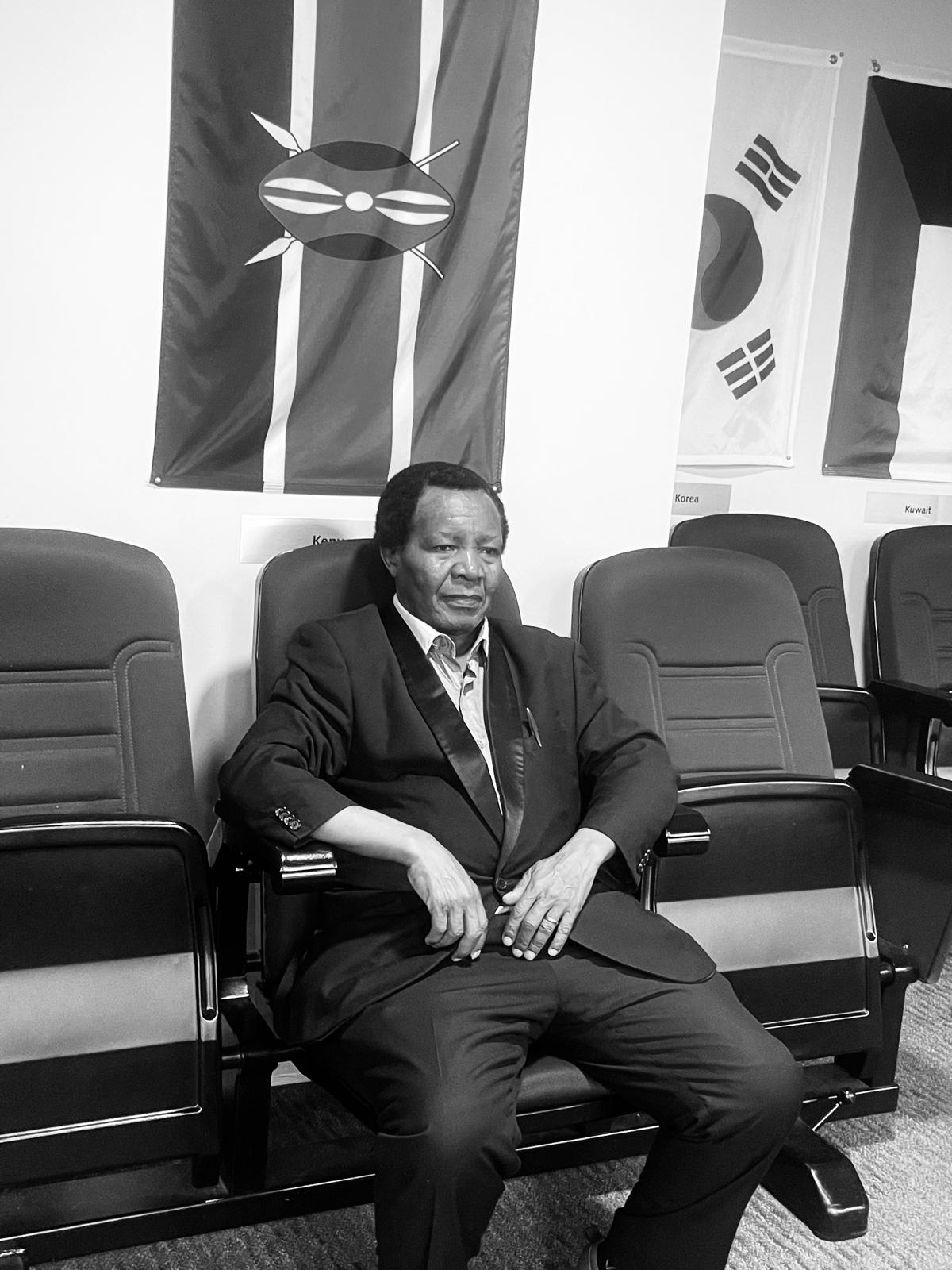
He maintained that Kenya already possesses everything it needs to prosper, except integrity in the management of public resources. He expressed confidence that corruption can be decisively dealt with within two years if political will exists, adding that visible national prosperity, freedom, and social stability could be achieved within five years once impunity is broken.
Throughout 2025, Dr. Kinity’s message remained strikingly consistent. Early in the year, he warned that failure to confront impunity would lead to continued abductions and killings. Mid-year, he intensified criticism of what he termed deliberate deception through the arrest of “small fish” while protecting powerful looters. By December, his position had crystallised into a clear proposal centred on accountability at the top.
This clarity has resonated with many Kenyans because it mirrors lived experience. Across the country, hospitals struggle without medicine, schools remain underfunded, farmers face exploitation, police officers and soldiers complain of poor welfare, and young people remain unemployed despite repeated government promises.
Unlike many political figures who speak vaguely about corruption, Dr. Kinity has repeatedly named the problem with specificity, arguing that corruption is sustained by protection from the highest offices. His insistence on repossessing stolen public assets directly challenges a culture of looting without consequence.
In 2025, several groups openly endorsed or prayed for Dr. Kinity as a potential national leader. In October, members of the Akorino Church gathered in Kenol, Murang’a, to pray for him, signalling support rooted in moral conviction rather than transactional politics. Youth groups across various regions, including Kisii, also echoed his message, drawn to his refusal to dilute their grievances or patronise their frustrations.
Dr. Kinity’s Christmas message doubled as a political philosophy. He framed corruption eradication not merely as a governance issue, but as the foundation upon which every other reform depends. In his view, ending corruption would restore healthcare and education, protect farmers and investors, end land grabbing, dismantle tribalism, and halt extrajudicial killings.
His claim that corruption can be eradicated within two years directly challenged the growing fatalism in Kenyan politics that corruption is inevitable or untouchable. By asserting that prosperity and national renewal are achievable within five years, he reintroduced hope anchored in accountability rather than slogans.
This year has also served as a test of Dr. Kinity’s consistency. Across international forums, local radio discussions, opinion pieces, and grassroots engagements, his message did not shift to suit political convenience. That consistency is what has given his end-of-year statement weight, positioning it as the logical conclusion of a year spent warning, analysing, and challenging both leaders and citizens.
Ultimately, Dr. Kinity’s message was not directed at politicians alone. It challenged Kenyans themselves to reject lies, symbolic gestures, and leadership that avoids confronting corruption head-on. As the country prepares to enter a new year, his words stood out precisely because they were uncomfortable.

Issued from Connecticut, USA, where he is currently based, the statement has sparked renewed national debate, particularly among young Kenyans increasingly disillusioned with traditional power structures.
In that sense, Dr. Kinity’s Christmas message was less about celebration and more about awakening, a reminder that national renewal begins with courage, accountability, and an uncompromising stand against corruption.





Leave a comment